What Is Shodo? A Guide to Japanese Calligraphy
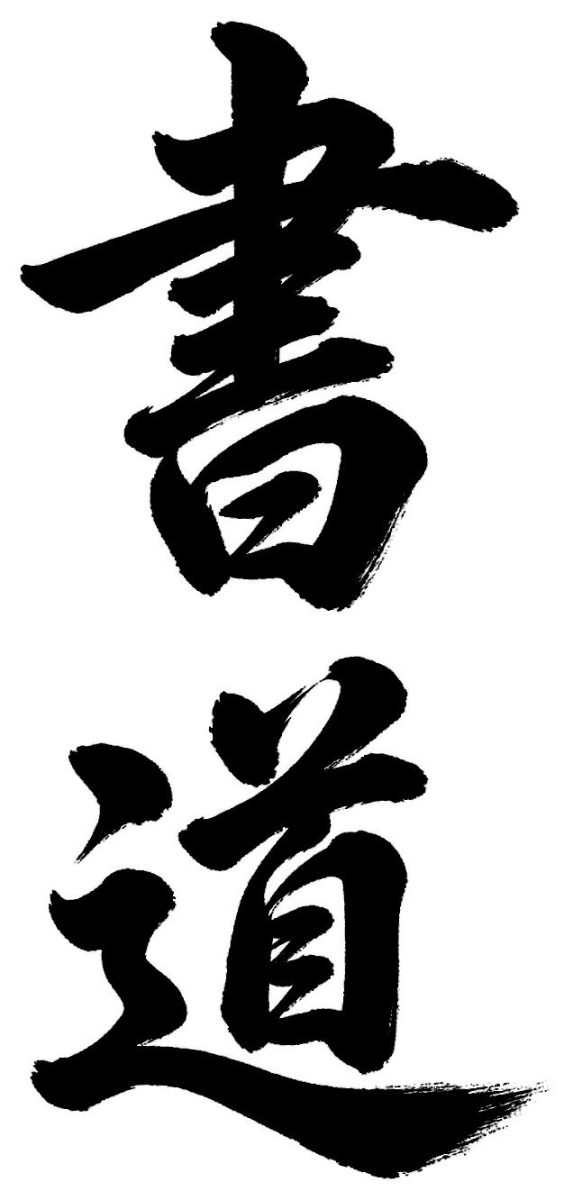
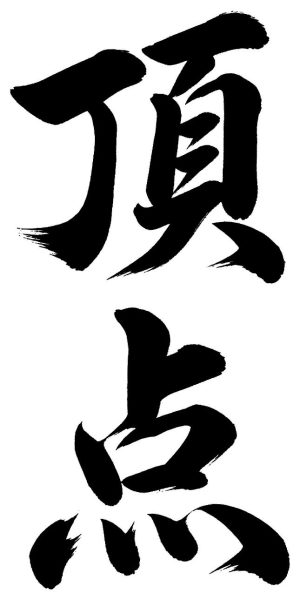
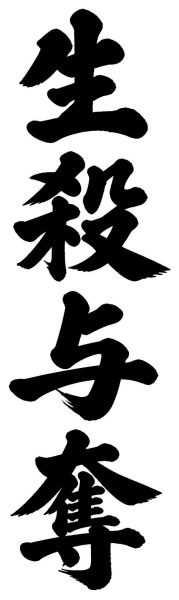
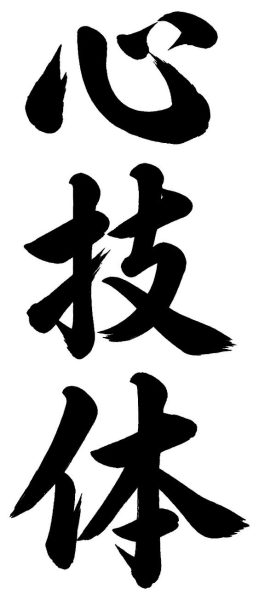
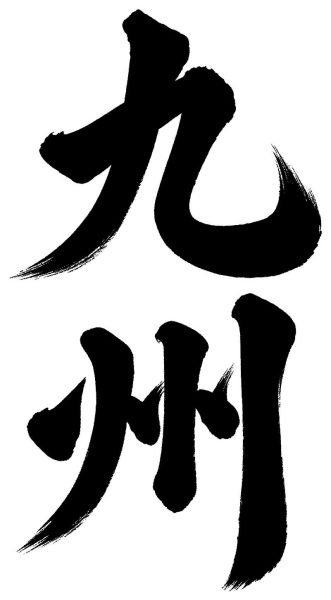
Shodo (書道) is the traditional Japanese art of calligraphy — writing characters beautifully with a brush and ink. The word literally means “the way of writing.” More than a technique for putting characters on paper, Shodo treats every brushstroke, every shade of ink, and even the empty space around the characters as part of the expression. This page explains what Shodo is, its history, the main script styles, the difference between Kaisho and Gyosho, and how Japanese calligraphy is used today — from interior art to tattoos.
What Is Shodo?
Shodo is practiced with a brush (fude), ink (sumi), an inkstone (suzuri), and paper (washi). Unlike Western calligraphy, which focuses on decorative penmanship, Japanese calligraphy values the energy of each stroke — the pressure, the dry brush textures, the bleed of the ink, even the breathing of the writer. The same character is never written the same way twice; that uniqueness is the heart of the art. A Japanese saying goes, “The writing reveals the person.”
Calligraphy remains part of everyday life in Japan: every child learns brush writing at school, and families write kakizome — the first calligraphy of the year — as a New Year tradition.
A Brief History of Japanese Calligraphy
Calligraphy came to Japan from China along with kanji characters around the 4th–5th century. Buddhist sutra copying spread the craft, and by the Heian period (794–1185) Japan had developed its own kana scripts and a graceful native style of writing. Master calligraphers such as the monk Kukai are still celebrated today.
In the medieval era, Zen monks prized bold, spirited brushwork, and calligraphy scrolls became central to the tea ceremony. During the Edo period, temple schools brought brush writing to the common people. Today Shodo lives on in schools and exhibitions — and in new forms such as performance calligraphy and design calligraphy used in branding, film titles, and advertising.
The Five Script Styles
- Tensho (seal script) — The oldest style, symmetrical and ornamental. Still used for official seals
- Reisho (clerical script) — A flattened, simplified style with distinctive sweeping strokes, seen on Japanese banknotes
- Kaisho (standard script) — Each stroke written clearly and separately. The most legible style, used in textbooks
- Gyosho (semi-cursive script) — Strokes flow into one another. Faster and more expressive, yet still readable
- Sosho (cursive script) — Highly abbreviated and flowing. Beautiful but often hard to read without training
Kaisho vs. Gyosho — What’s the Difference?
When choosing calligraphy for a design (or a tattoo), the choice usually comes down to Kaisho or Gyosho. Compare the same character 絆 (kizuna — bond) from our collection:
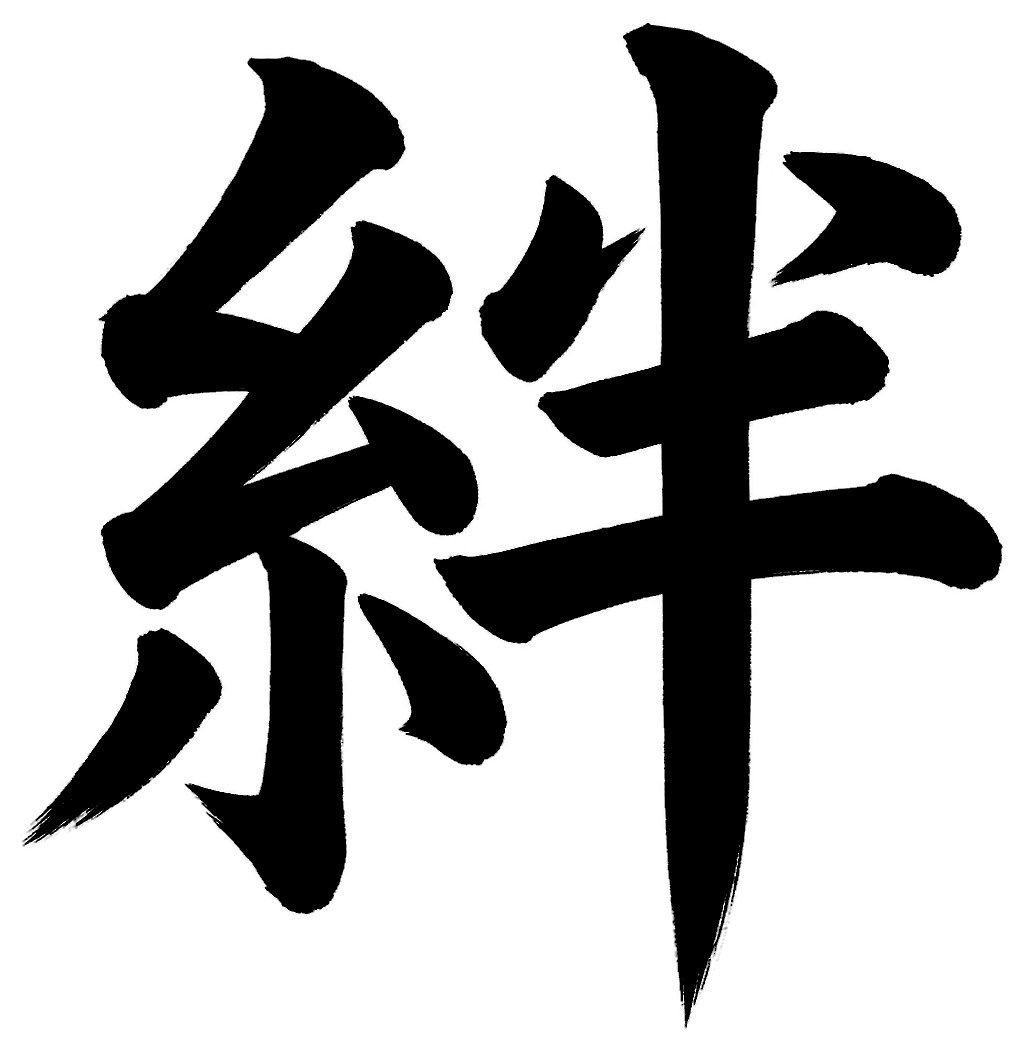
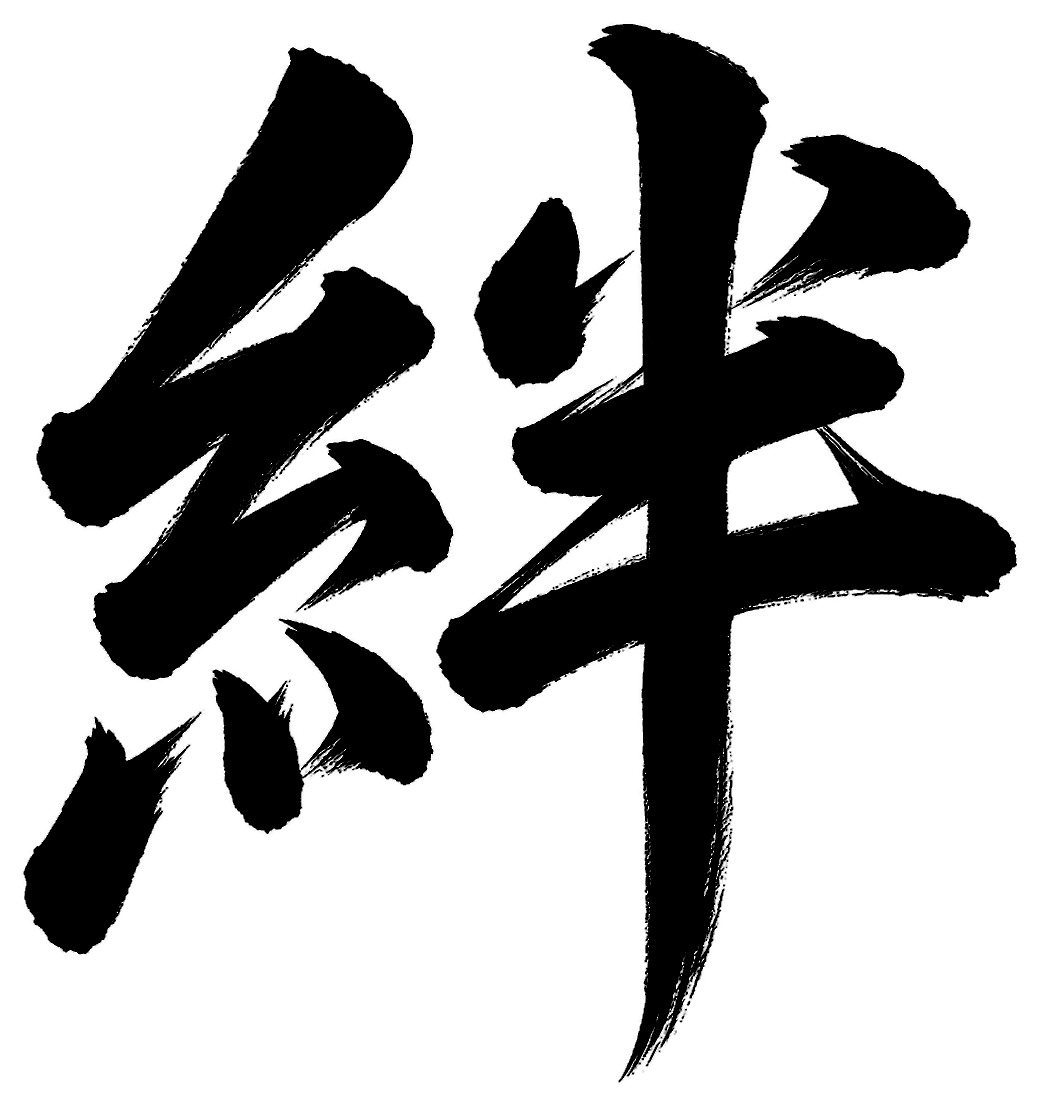
- Choose Kaisho for signs, menus, and nameplates — anywhere legibility and a sense of sincerity matter most
- Choose Gyosho for logos, artwork, and tattoos — anywhere you want movement, character, and a bold Japanese spirit
The Four Treasures of the Study
The four essential tools of Shodo — brush, ink, inkstone, and paper — have been honored for centuries as the “Four Treasures of the Study” (bunbo shiho). The brush is made of animal hair such as horse or weasel; the ink is a solid stick of soot and glue, ground with water on the inkstone; and the washi paper determines how the ink bleeds and feathers. Every combination produces a different expression.
How Japanese Calligraphy Is Used Today
- Tattoos — Kanji calligraphy tattoos are popular worldwide. Single characters such as 愛 (love), 魂 (soul), and 侍 (samurai) are classic choices — see our tattoo calligraphy collection
- Interior art — Framed calligraphy and hanging scrolls. Characters like 禅 (zen) and 和 (harmony) suit minimal and wabi-sabi interiors beautifully
- Logos & signage — Japanese restaurants, sake breweries, and dojos use brush lettering to express craftsmanship and tradition
- New Year’s cards — Brush-written greetings are a beloved Japanese tradition
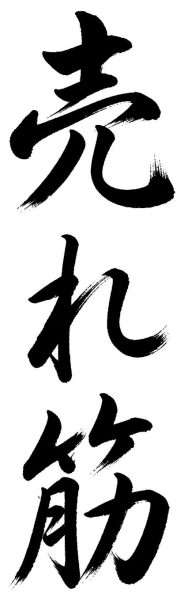
- Menus & displays — From izakaya menus to sale signage, brush characters draw the eye
- Videos & thumbnails — Bold calligraphy is a staple of Japanese YouTube thumbnails and titles
Download Free Japanese Calligraphy
Want authentic-looking brush calligraphy without picking up a brush? Fude Stock offers free Japanese calligraphy artwork in transparent PNG, JPG, and SVG formats — free for commercial use, with no attribution and no registration required. Perfect for tattoo references, interior prints, logos, menus, and more.